Personal R&D · Generative AI · 3D
Teaching a visual style, then giving sketches physical form.
Two connected experiments: training custom SDXL LoRAs on Modal, and transforming hand-drawn characters into textured GLB assets through OpenAI image generation and Hunyuan 3D.
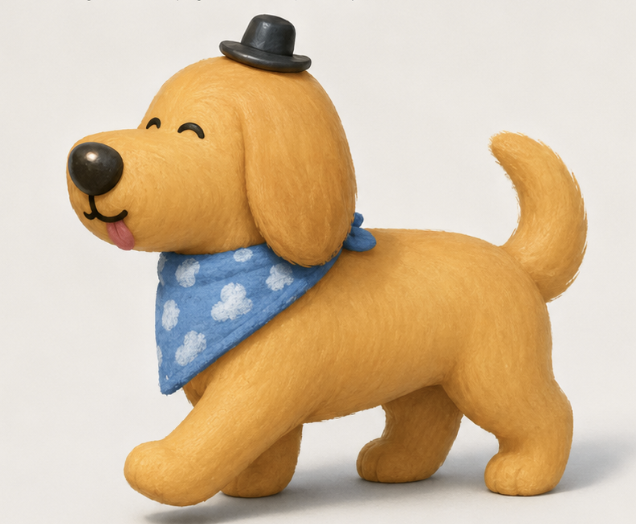 Sketch → render → 3D
LoRA on Modal
Experiment one · style learning
Could a small dataset teach SDXL a recognisable crayon language?
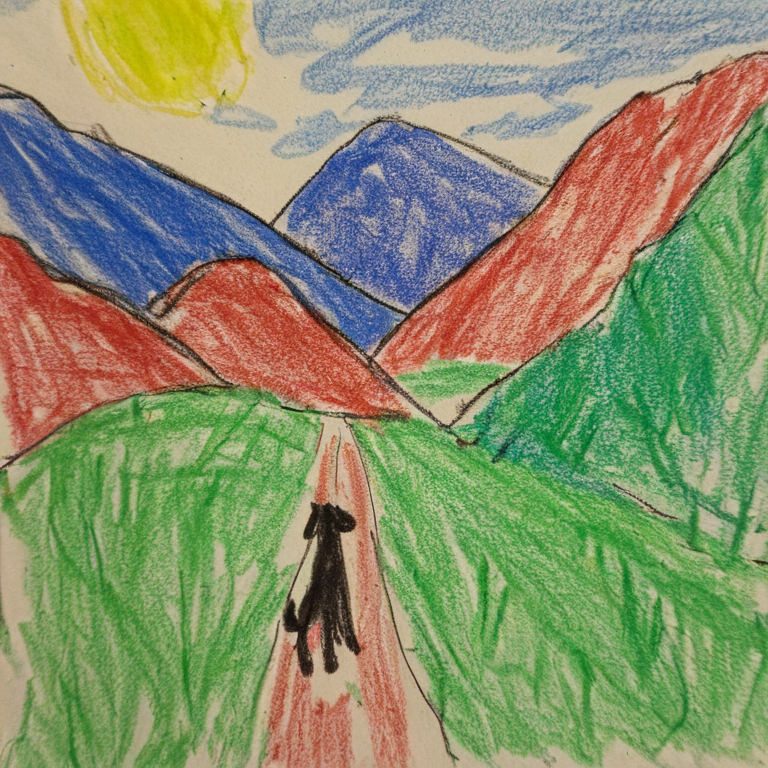
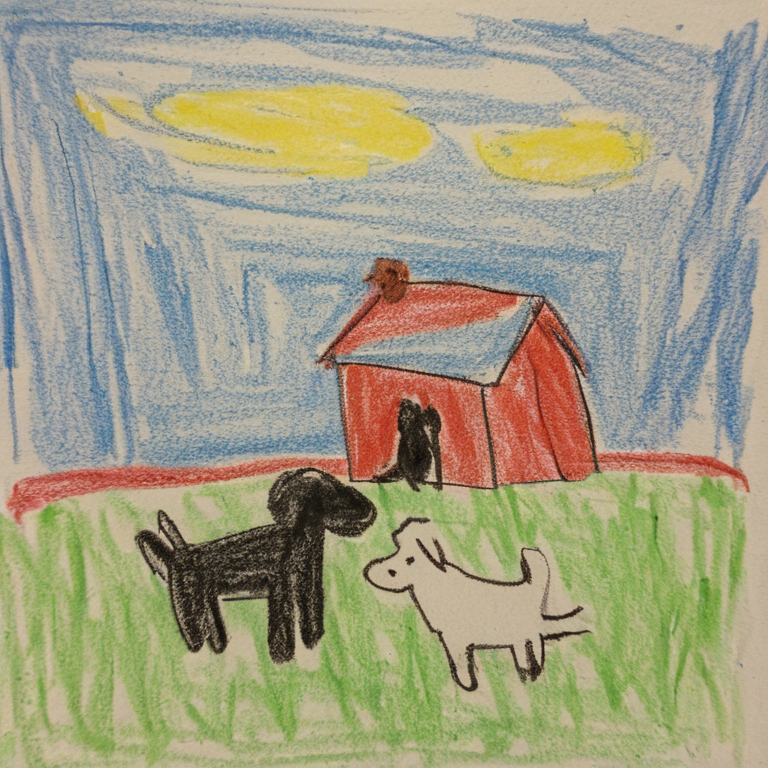
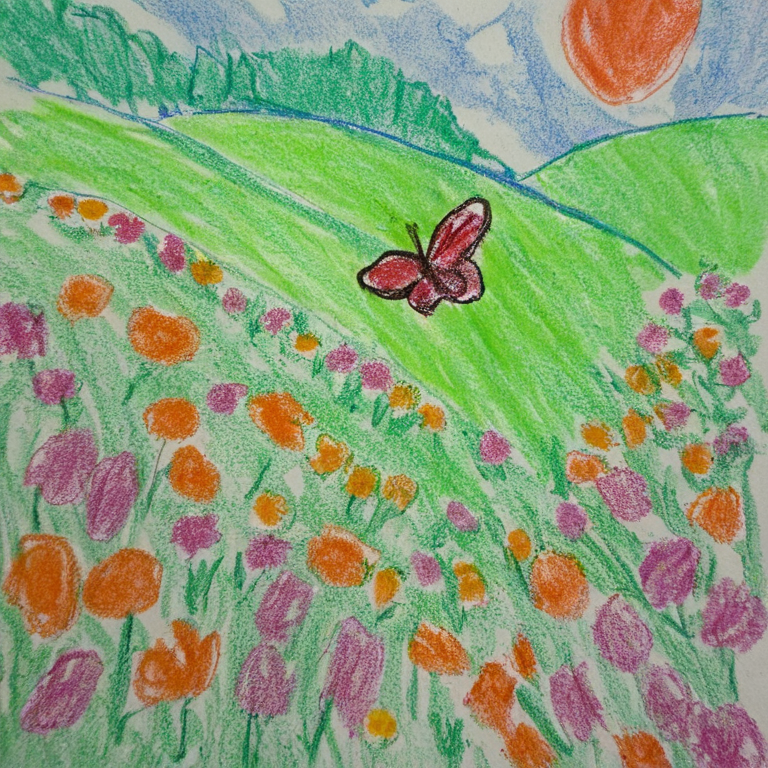
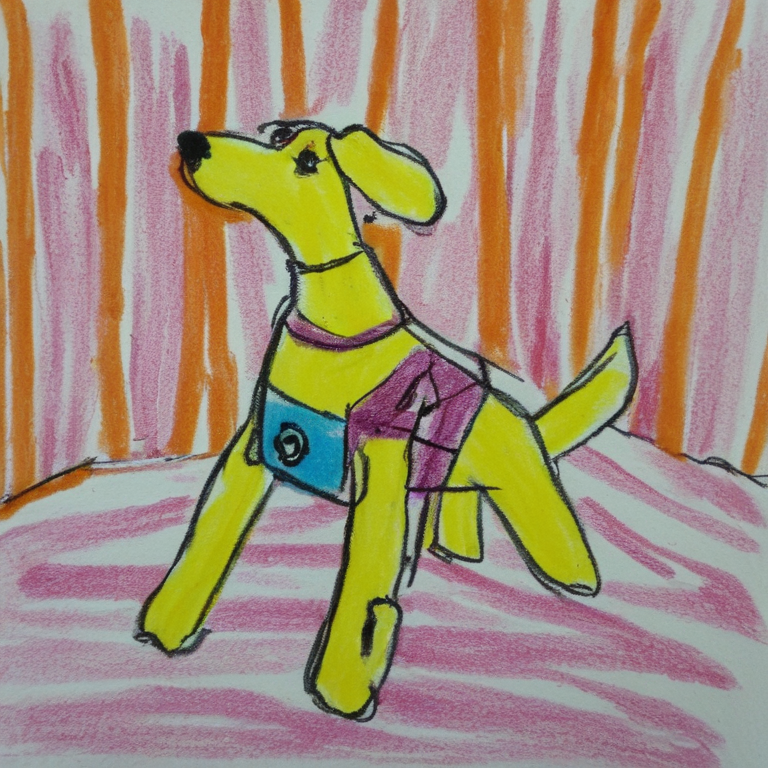
I drew and labelled 34 images, then trained a custom SDXL LoRA on Modal. The goal was style learning rather than memorising one character: waxy texture, uneven contours, bright colour blocks and the spatial logic of a child’s drawing across new subjects.
Workflow diagram
How the LoRA was trained with Modal
- 01Draw
Create 34 original crayon scenes.
- 02Label
Caption every image with a shared trigger token.
- 03Prepare
Resize, crop and package image–caption pairs.
- 04Run on Modal
Launch the Diffusers training job on an L40S GPU.
- 05Save adapter
Export compact LoRA weights instead of a full model.
- 06Test
Prompt new subjects and compare style transfer.
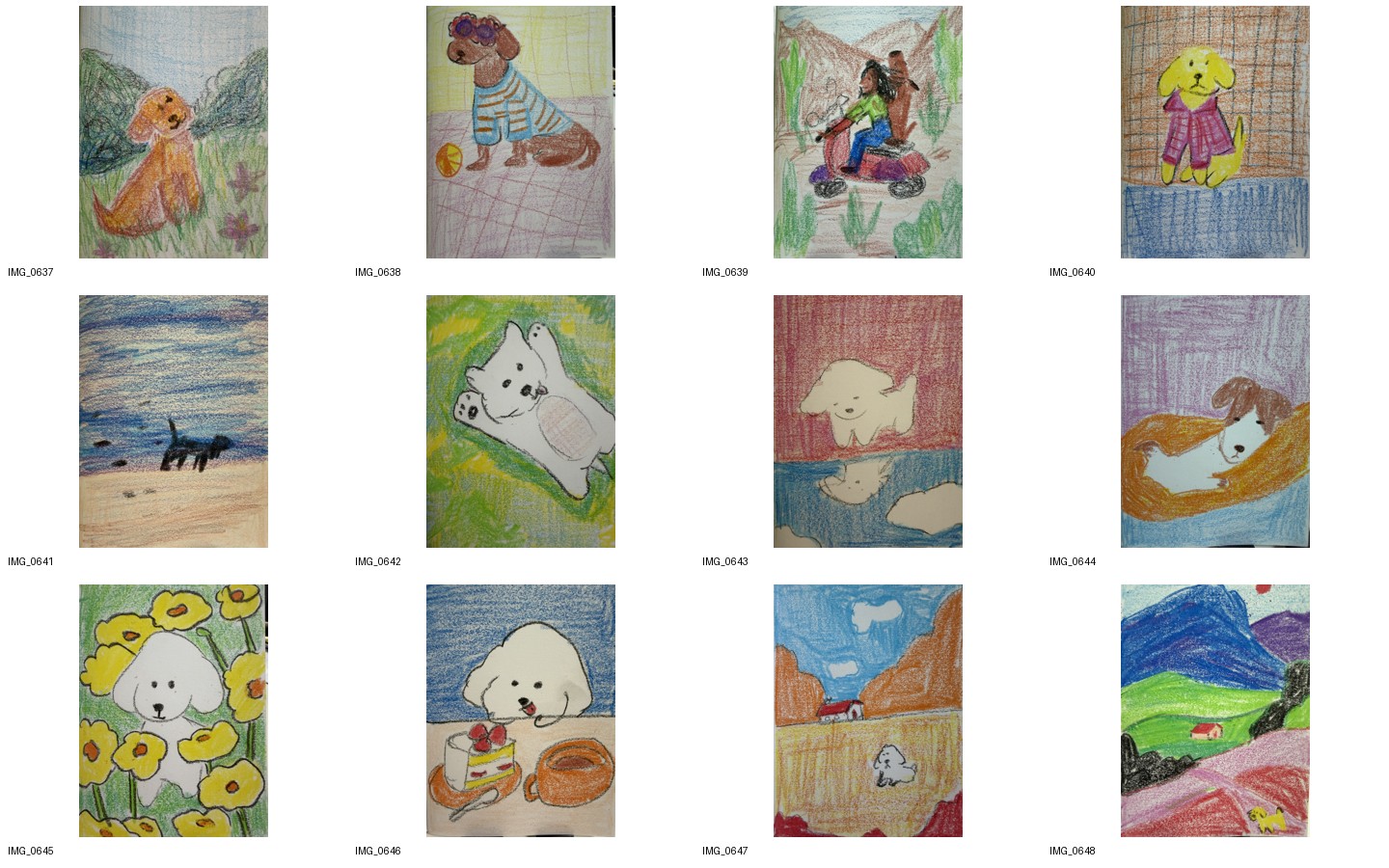
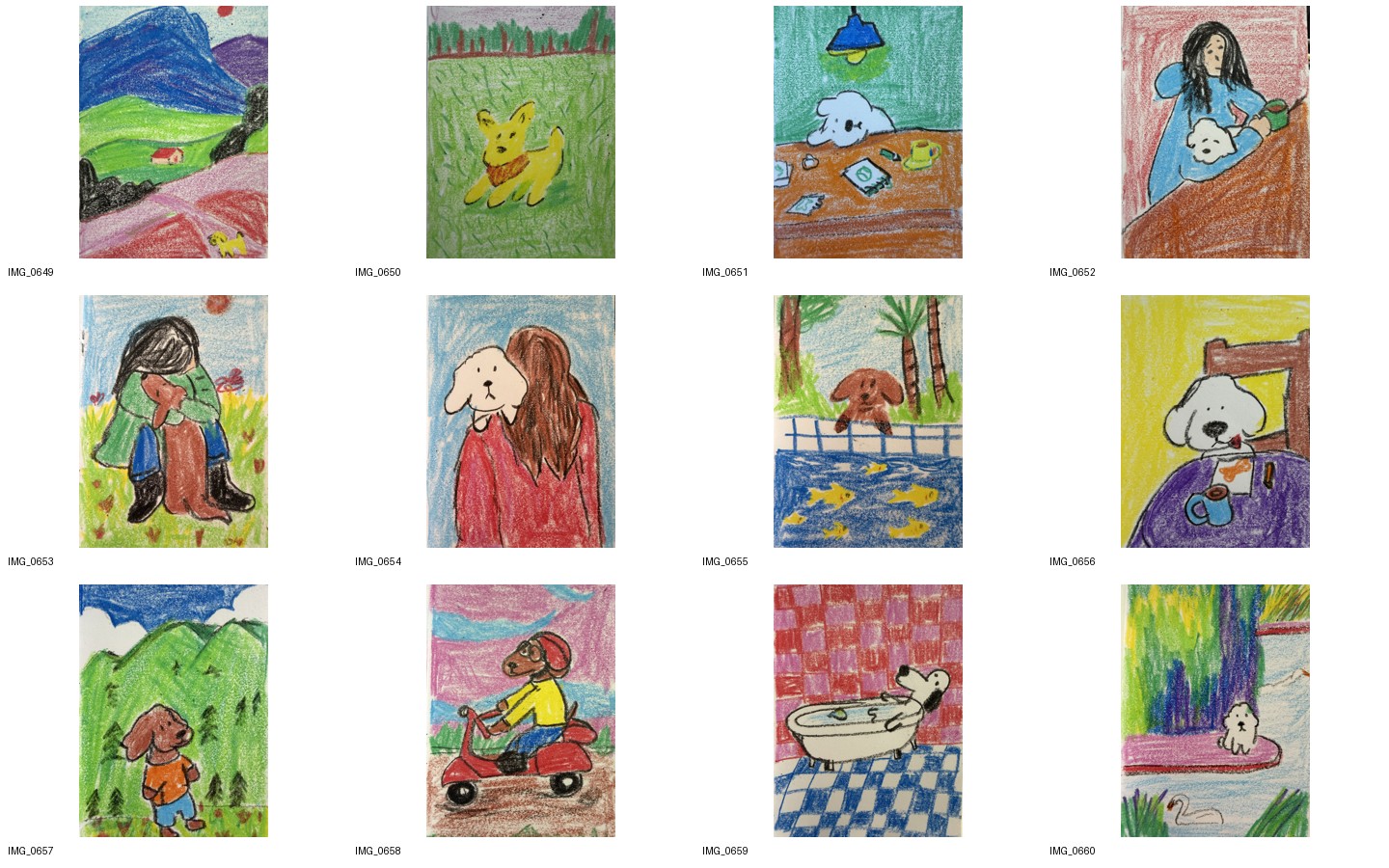
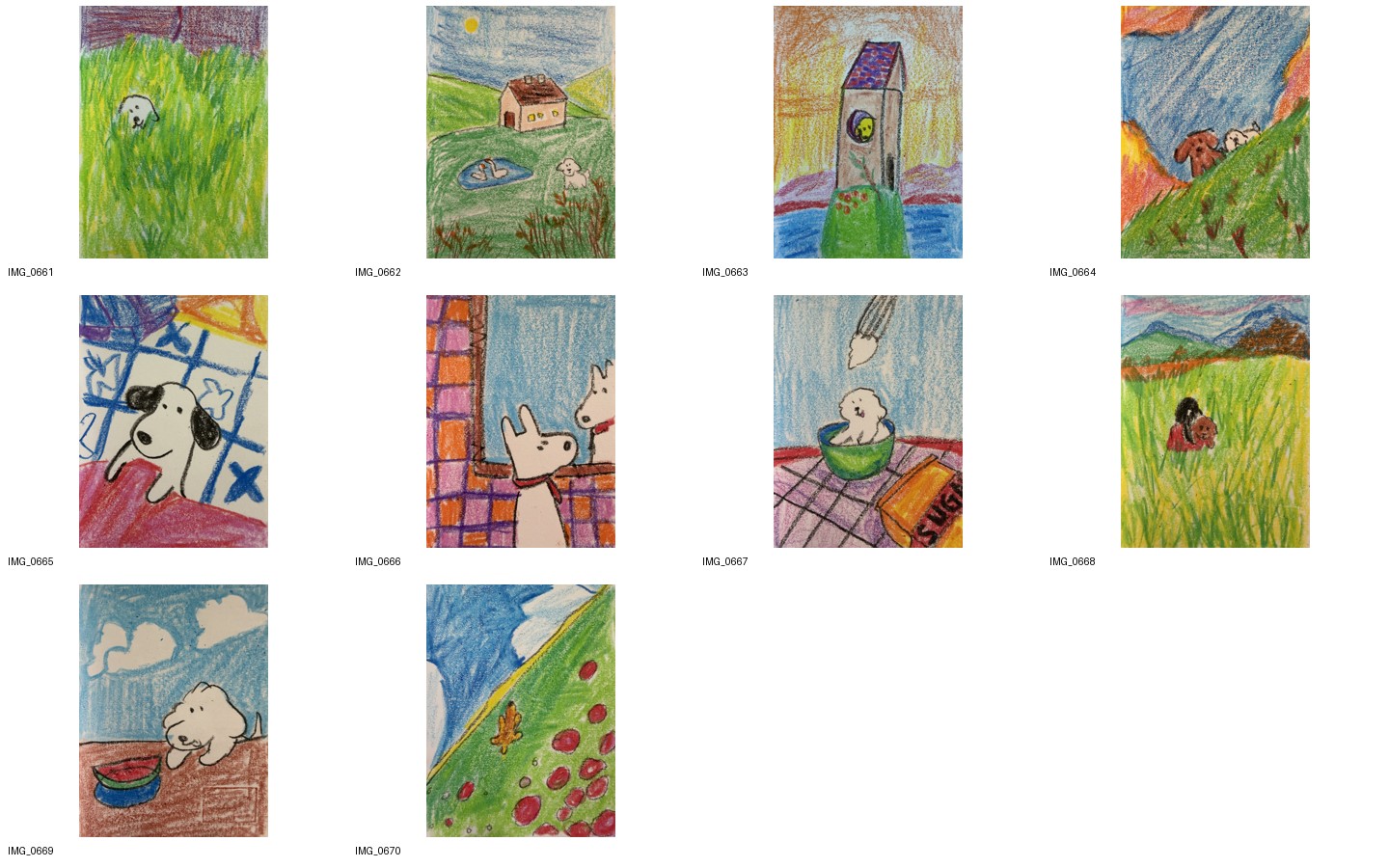
Dataset
The complete corpus: 34 drawings made by me
These three contact sheets show every original drawing used for the experiment. Each image received a descriptive caption anchored by one shared trigger token.
crayonstress_style
- 22
- single-dog images
- 11
- multi-subject or human scenes
- 1
- non-dog style reference
“crayonstress_style, a white puppy sitting at a table with a slice of cake and a cup”
LoRA scale test
A second LoRA tested a larger, noisier visual archive.
This dataset started with 4,977 archival motif crops. The preparation workflow balanced source pages, rejected tiny and extreme-aspect images, removed perceptual duplicates and padded each selected motif to a 768-pixel square.
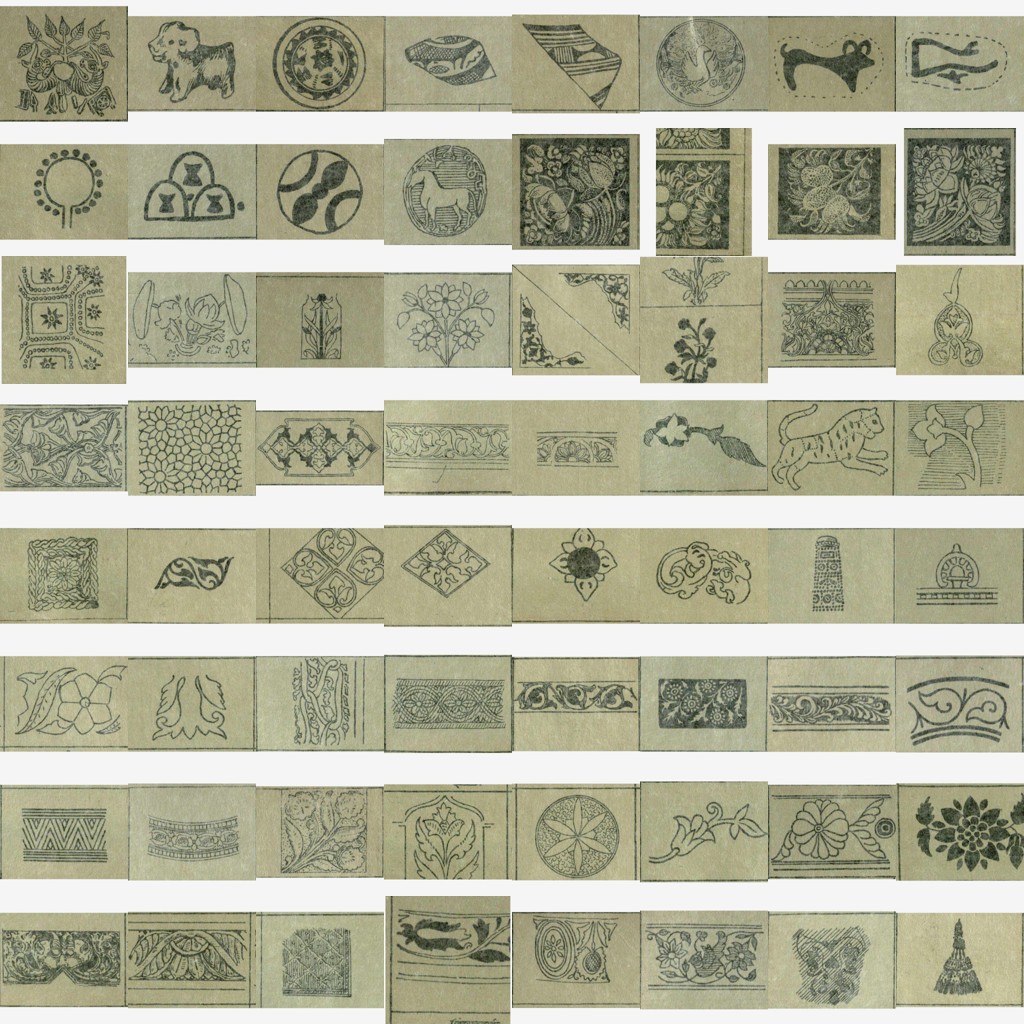
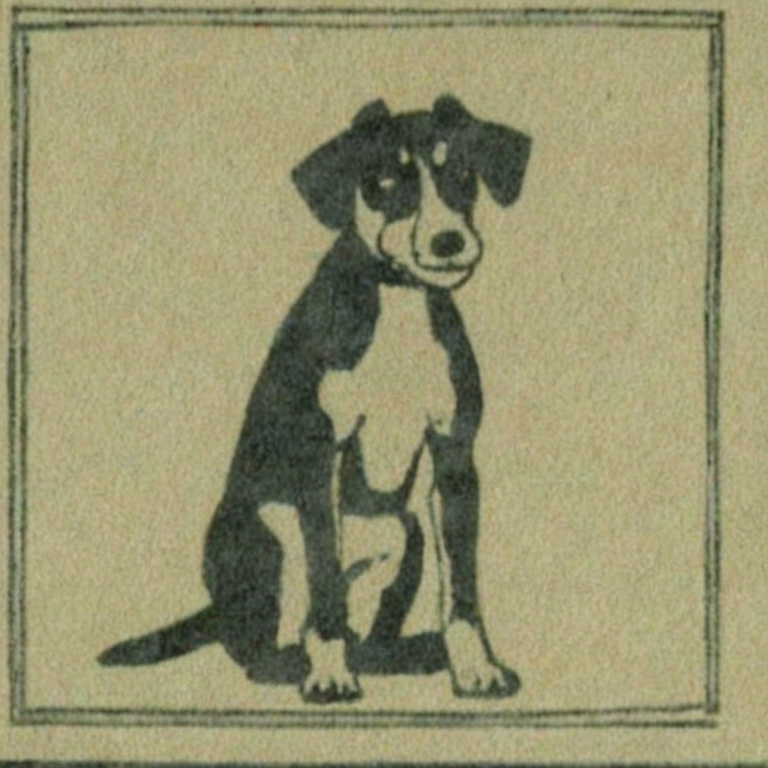
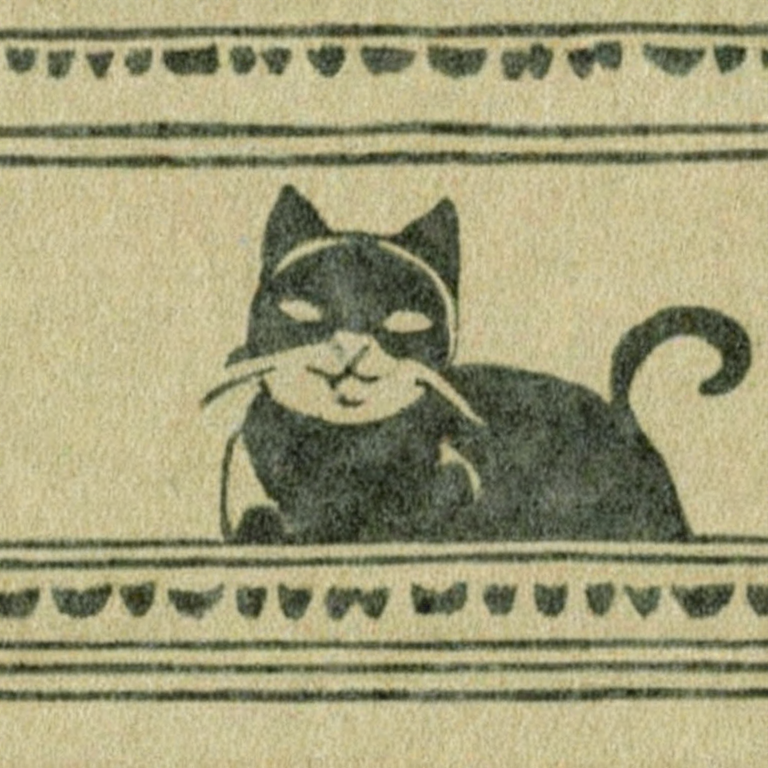
The muted paper tone, dense ink contours and framed emblem composition transferred consistently. Broader prompt and LoRA-scale testing would be needed before judging semantic accuracy.
Sketch to 3D asset
What happens when a hand-drawn character becomes a model you can hold, rotate and reuse?
Asset workflow
Experiment two · form generation
The 2D render acts as a bridge between drawing and geometry.
A sketch contains the identity, but not enough spatial information for predictable 3D generation. I first used OpenAI image generation to clarify volume and material, then passed that reference to Hunyuan to create the mesh and texture.
Workflow diagram
Sketch → model → textured asset
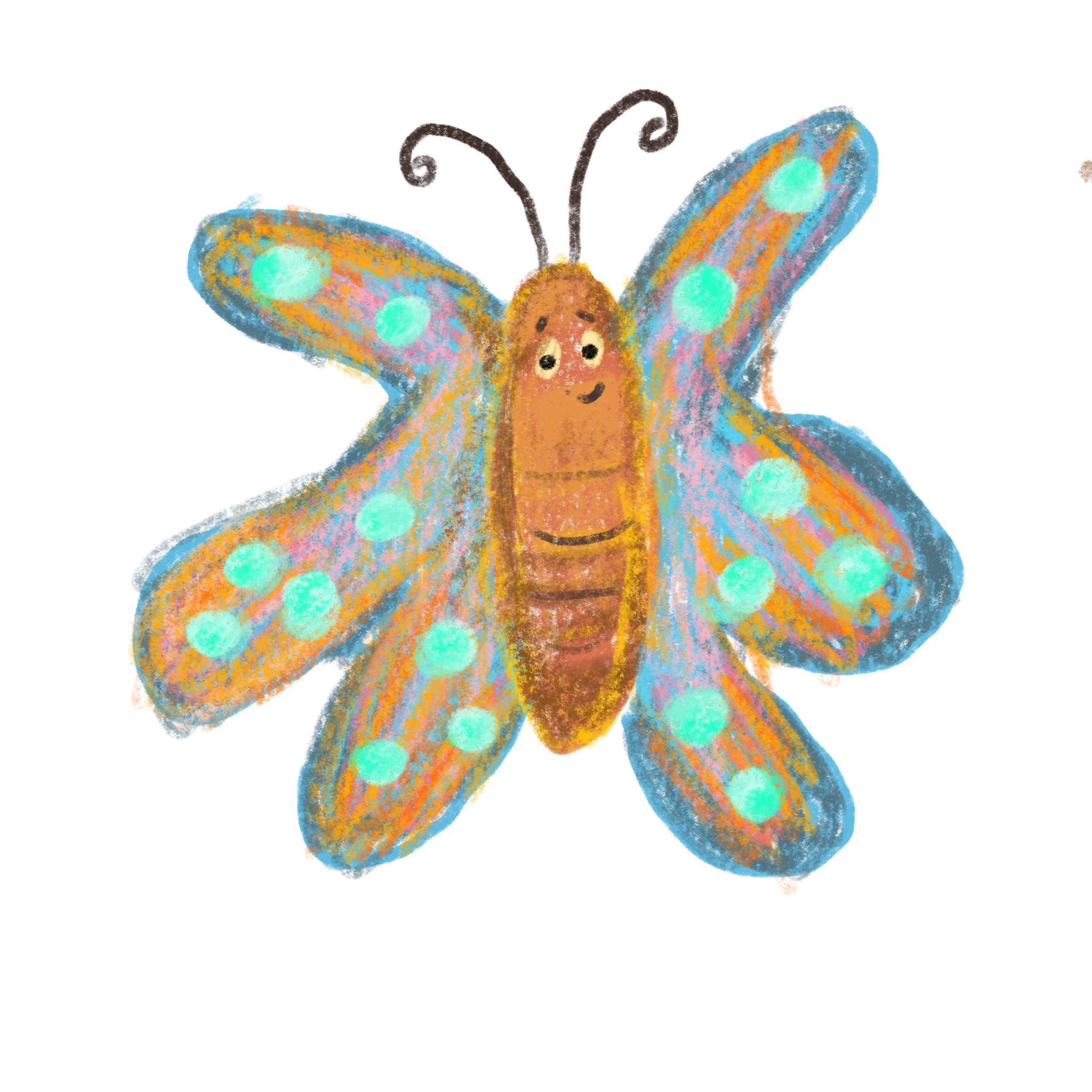
- 01Original sketch
Silhouette, palette and character cues.
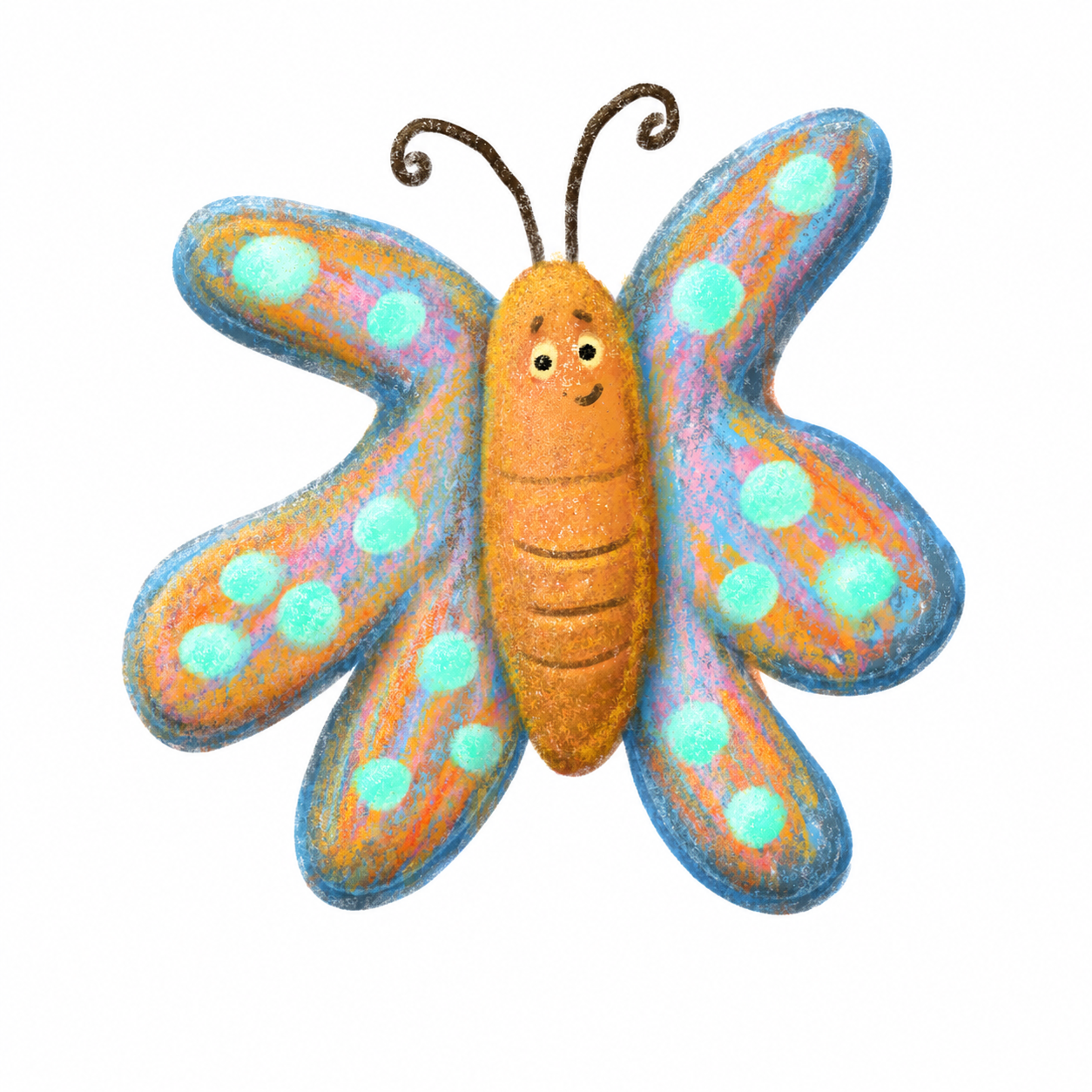
- 02OpenAI render
Volume, lighting and a clean reference view.
- 03Hunyuan geometry
A single-mesh 3D model generated from the image.
- 04Textured GLB
One material with an embedded 2K colour atlas.
Failed experiment · useful finding
Why not send the flat drawing directly to 3D?
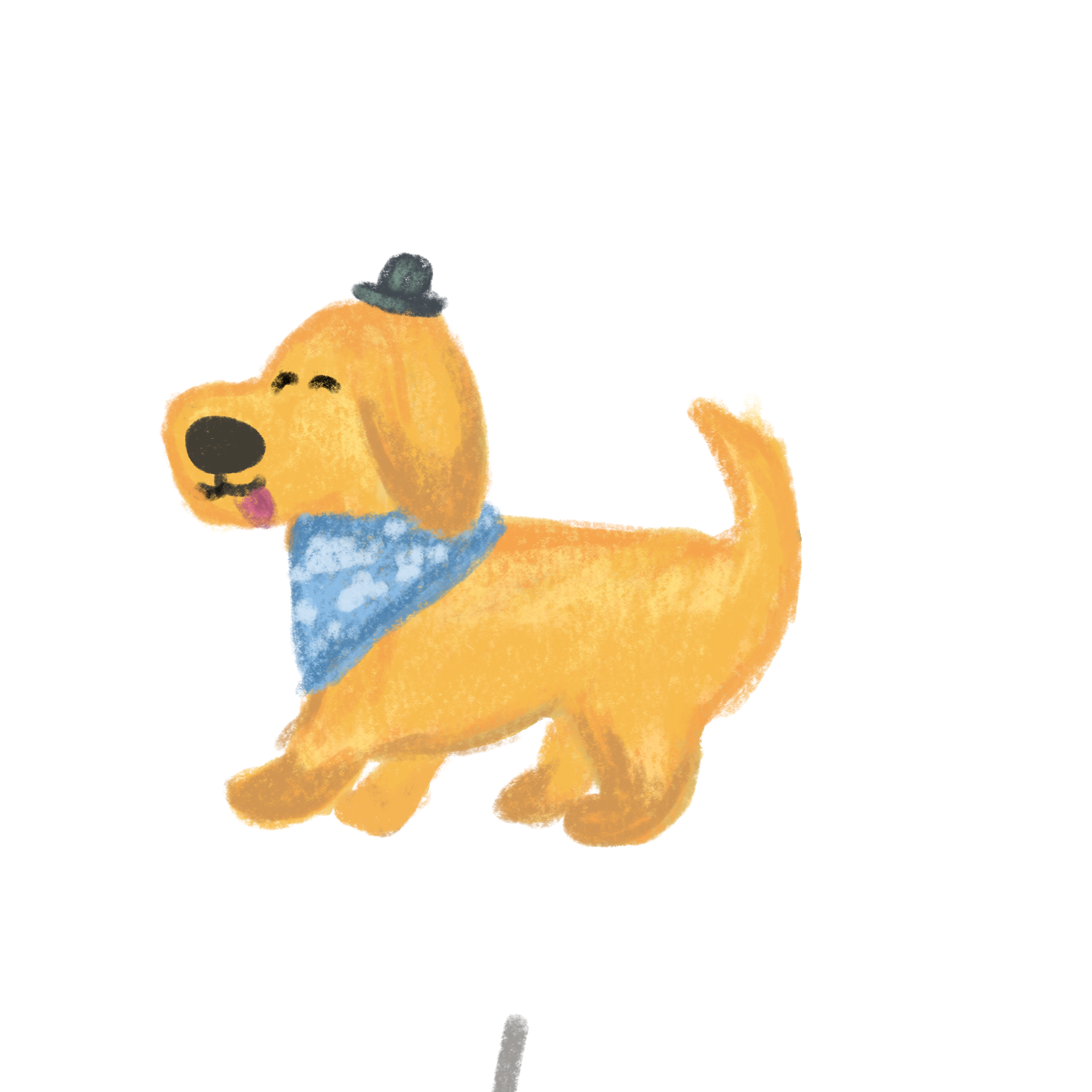
My first dog model was generated straight from the flat 2D drawing. The result tried to interpret graphic marks as physical form without enough evidence about depth, volume or the hidden side of the character.
That “bad dog” made the missing step clear: a 3D-style reference render gives Hunyuan stronger information about rounded forms, material, lighting and spatial relationships before it builds the mesh.
Interactive result
Inspect the Hunyuan GLB outputs.
Drag to rotate and scroll to zoom. Compare the textured export with the geometry-only model, then switch between the dog and butterfly.
Two characters
Recognisable cues survive the regularisation.
The loose sketch becomes a clearer toy-like form while keeping the hat, blue bandana, orange body and walking pose.
The ChatGPT-guided texture carries the identity.
The geometry is simple. The updated textured GLB uses the ChatGPT-rendered reference to carry the orange, blue and turquoise marks across the wings and body.
Future goal
Build my own automated sketch-to-asset pipeline.
Next, I hope to train my own LoRA with a larger and more varied collection of sketches, then automate the journey from a generated character to a 3D-style reference and a textured Hunyuan asset. The goal is a repeatable system for creating many original, production-ready 3D characters—not just one model at a time.
Return to the model viewer